

Choosing a blog topic can feel like a decision you have to get exactly right before you publish anything. You don’t. Your niche can become more focused as you learn what readers need and what you enjoy writing about. Still, starting with a thoughtful direction makes it easier to plan useful posts and explain your blog to new readers.
If you’re figuring out how to choose a blog niche, look for the overlap between a subject you can keep exploring, a group of people you understand, and questions you can answer well. The goal isn’t to pick the most popular topic. It’s to choose a practical starting point with enough room to grow.
How to choose a blog niche that works in practice
A niche is the subject area your blog covers and the people it aims to help. “Food” is a broad subject. “Weeknight meals for people cooking in a small kitchen” is more specific: it hints at the reader, their situation, and the kind of advice they can expect.
You don’t need a perfect one-sentence description yet. Use these four checks to compare possible topics:
- Interest: Would you still want to learn about this subject after the first few posts?
- Reader need: Can you name real questions or challenges people have around it?
- Useful experience: Can you share knowledge, research carefully, test ideas, or document a learning process responsibly?
- Room to publish: Can you imagine several different types of posts, rather than repeating one basic tip?
A topic doesn’t have to score perfectly on every check. But if it has no clear reader need or you can’t picture writing about it for long, pause before building your whole blog around it.
Start with readers, not just your interests
Personal enthusiasm is a useful starting point, but a blog becomes more helpful when it connects that enthusiasm to someone else’s needs. Instead of asking only, “What do I like?” ask, “Who might need the things I’m learning or doing, and what would make their next step easier?”
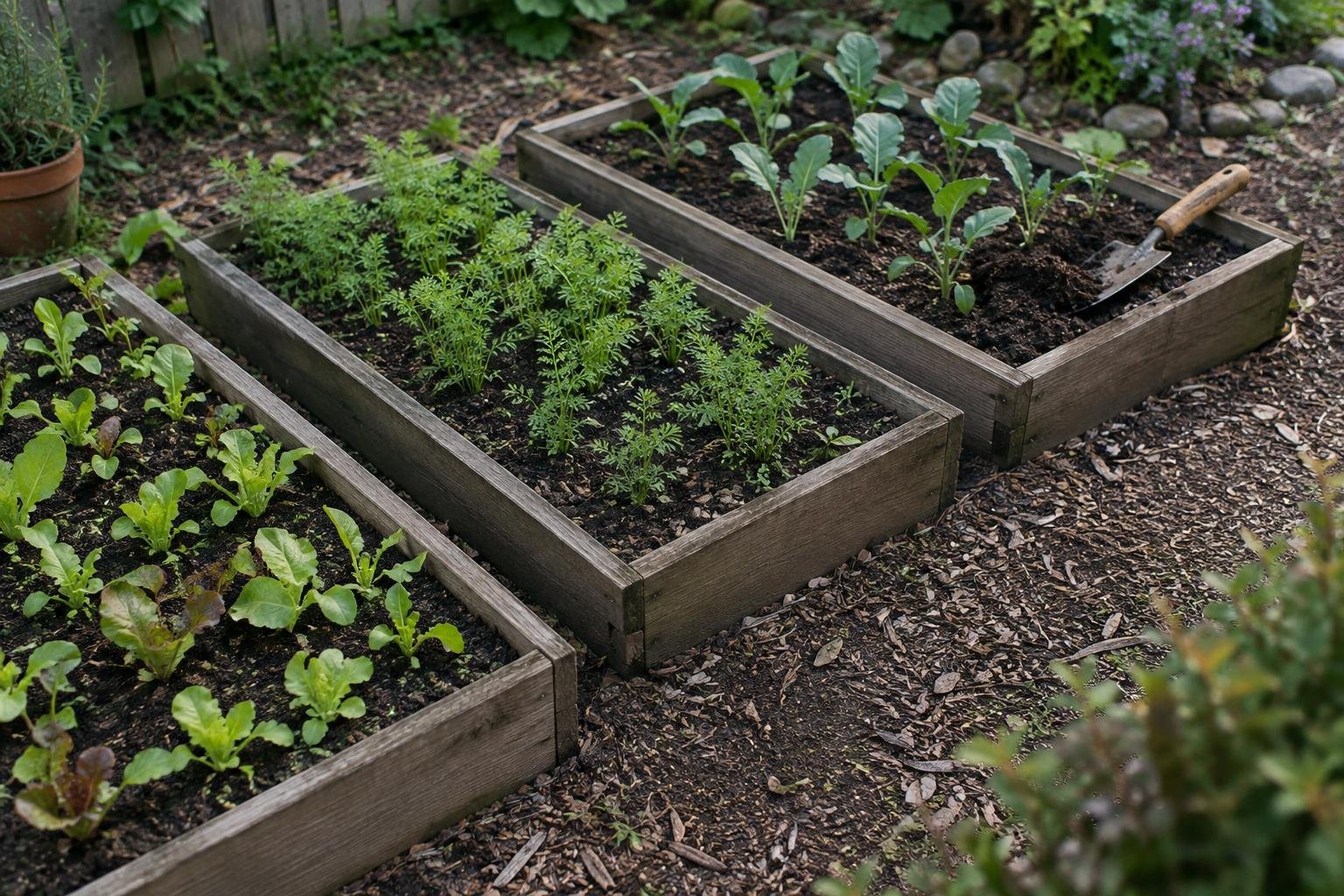
For example, a person who enjoys gardening could write about houseplants, vegetable gardening, or gardening in a limited space. Each direction serves a different reader. A renter with a shaded balcony may need advice about containers and light, while a new homeowner may want help planning a small vegetable bed.
Write down three groups of people you could imagine helping. For each group, list a few situations they face, such as choosing equipment, avoiding a common mistake, building a routine, or adapting a process to limited time or money. Specific situations are more useful than broad labels like “people who love travel.”
Think about what you can offer those readers. You might explain a process, compare options, share a tested routine, or make a confusing subject easier to understand. You don’t need to claim expertise you don’t have. If you’re learning as you go, be transparent about what you have tried and where readers should seek qualified advice.
Test whether the topic can support more than a few posts
A niche that sounds appealing in a sentence may feel restrictive after you start planning. Before committing, brainstorm at least 20 post ideas. Don’t worry about writing polished headlines. Group your ideas by the reader’s needs or stages instead.
A beginner photography blog, for instance, could cover camera basics, composition, lighting, editing, and practice exercises. If all your ideas fit under one heading, the niche may be too narrow for your goals. If the ideas range from photography to home repairs to personal finance, the niche may be too broad to make the blog’s promise clear.
Look for a useful middle ground. A focused blog can cover multiple related questions without treating every post as a completely new subject. You can use content categories to organize those topics, but categories should make sense to the same audience.
Try this quick exercise:
- Write down 20 possible posts for the niche.
- Sort them into three to five related groups.
- Circle the ideas you could explain with examples, research, or firsthand experience.
- Mark any ideas that would require skills or credentials you don’t have.
If you struggle to reach 20 ideas, widen the angle or focus on a larger reader problem. If the list is easy but scattered, narrow the audience or the situation your blog serves.
Check that the niche fits your real life
Blogging takes more than having ideas. Each post may require research, drafting, editing, images, and promotion. A topic that depends on frequent travel, expensive purchases, or access to specialists may be difficult to cover if those things aren’t part of your life.
Be honest about the resources you can bring to the subject. Could you write from home? Would you need to buy products regularly? Does the subject change so quickly that you’d have to update posts often? Is it something you can explore in short sessions around work, school, or family responsibilities?
This isn’t a reason to avoid ambitious ideas. It’s a way to choose a workable format. A travel blog, for example, might focus on careful trip planning and lessons from occasional trips rather than promising constant destination reports. A cooking blog could center on affordable meals made with familiar equipment instead of recipes requiring specialized ingredients.
Also consider the emotional demands of the subject. If writing about a topic would require sharing private details or arguing with people online, decide in advance what boundaries you want. A sustainable niche should fit your values as well as your calendar.
Consider your goals without forcing a business case
Some bloggers want a creative outlet, some want to build professional credibility, and others hope to earn income over time. Your goal can influence your niche, but you don’t need to choose a topic solely because it seems profitable.
If earning income is part of your plan, think about what readers might reasonably pay for or what products and services could genuinely help them. Possibilities vary by subject and may include classes, consulting, books, tools, or carefully selected products. Treat these as possibilities to investigate, not guaranteed outcomes.
Ask whether you would be comfortable recommending something in this niche with clear disclosure and an honest explanation of who it suits. If a topic only seems attractive because you expect easy revenue, you may find it hard to produce useful work when results take time.
Make a small publishing test before you commit
You can learn a lot by publishing a short trial series instead of trying to settle every question in advance. Choose three post ideas that address different reader needs within your proposed niche. Draft and publish them at a pace you can manage, then notice what the process is actually like.
After each post, ask yourself:
- Was it clear who the post was for?
- Could I offer specific help rather than general opinions?
- Did research and writing fit the time I had available?
- Can I see several useful follow-up topics?
- Do I want to keep learning about this subject?
Reader responses can offer clues, but a quiet start doesn’t automatically mean the niche is wrong. Early feedback may be limited. Pay attention to whether people understand the blog’s purpose, what questions they ask, and which topics you can explain with the most care.
Once you have those observations, adjust the focus if needed. You might narrow the audience, change the format, or add a closely related topic. A niche is a useful guide for making decisions, not a permanent contract. Choose a clear starting point, publish helpful work, and let experience show you where to refine it.